Navigating the Digital Divide: Bridging the Gap in Indonesia's Remote Learning Era
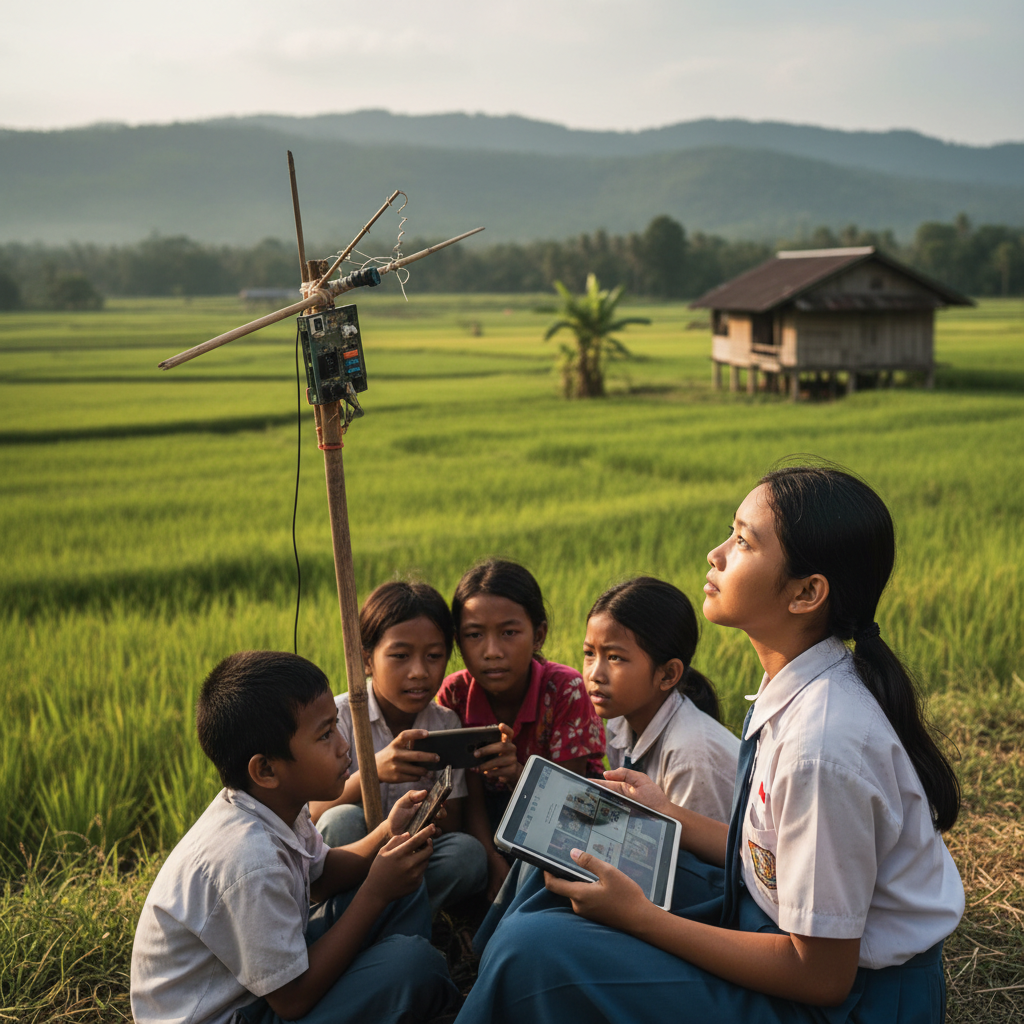
The COVID-19 pandemic irrevocably altered the landscape of education globally, with Indonesia being no exception. The swift transition to remote learning, while a necessary measure to ensure continuity, simultaneously cast a harsh spotlight on the nation's existing digital divide. This gap, characterized by disparities in access to devices, internet connectivity, and digital literacy, continues to pose significant challenges to educational equity and social mobility in the country.
The Unveiling of Disparity: Beyond Urban Centers
While urban centers often boast robust internet infrastructure and higher rates of device ownership, many rural and remote areas across Indonesia lag significantly. Data from the Ministry of Communication and Informatics (Kominfo) consistently highlights that millions of Indonesians, particularly in the outer islands and interior regions, still lack reliable internet access. This translates directly into a stark disadvantage for students in these areas, who struggle to participate in online classes, access digital learning materials, or even submit assignments.
- Device Accessibility: Many families, especially those in lower-income brackets, cannot afford smartphones, laptops, or tablets for each child, forcing them to share or go without.
- Internet Connectivity: Even with devices, the absence of stable and affordable internet access remains a primary hurdle. Limited cellular network coverage, exorbitant data costs, and a lack of public Wi-Fi infrastructure exacerbate the problem.
- Digital Literacy: Beyond mere access, both students and educators in some regions lack the necessary digital skills to effectively utilize online platforms and resources.
Impact on Educational Outcomes and Future Prospects
The persistence of the digital divide has profound implications for educational outcomes. Students with limited or no access to digital learning tools are at a higher risk of falling behind their peers, leading to learning loss and widening the achievement gap. This not only affects their immediate academic performance but also their long-term prospects, including access to higher education and future employment opportunities in an increasingly digital economy.
From a public policy perspective, this situation threatens Indonesia's aspirations for human capital development and economic growth. A significant portion of the younger generation, if left behind digitally, may struggle to contribute to a knowledge-based economy, perpetuating cycles of poverty and inequality.
Policy Responses and the Path Forward
The Indonesian government, recognizing these challenges, has initiated several programs aimed at bridging the digital divide, including expanding internet infrastructure through initiatives like Palapa Ring and providing digital literacy training. However, the scale of the problem demands more comprehensive and sustained efforts.
To effectively address this critical issue, Atom Visi Indonesia recommends a multi-pronged approach:
- Accelerated Infrastructure Development: Prioritizing the expansion of affordable and reliable internet access to unserved and underserved areas, possibly through public-private partnerships.
- Device Provision Programs: Implementing targeted programs to provide digital devices to low-income students, perhaps through school-based or community-based initiatives.
- Enhanced Digital Literacy Programs: Integrating comprehensive digital literacy education into the national curriculum for both students and teachers, emphasizing critical thinking and responsible digital citizenship.
- Flexible Learning Models: Encouraging hybrid learning models that combine online resources with traditional face-to-face instruction, especially in areas with unreliable connectivity, to ensure no student is left behind.
- Community Empowerment: Fostering local initiatives and community centers equipped with digital resources to serve as learning hubs.
Bridging Indonesia's digital divide is not merely an educational imperative; it is a fundamental step towards achieving greater social equity, fostering inclusive growth, and ensuring that all Indonesian children have the opportunity to thrive in the 21st century.