Global Geopolitics and Indonesia's Food Inflation: Challenges and Solutions
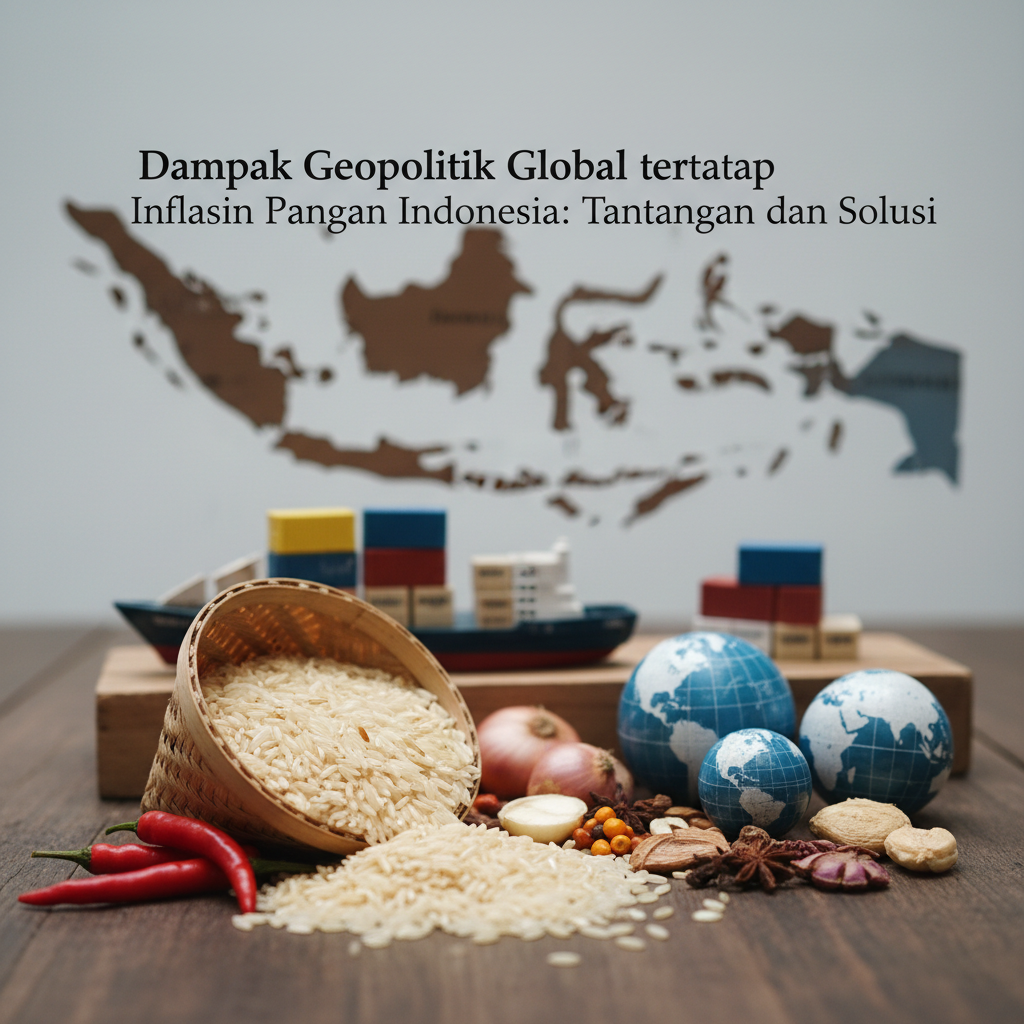
Global Geopolitics and Indonesia's Food Inflation: Challenges and Solutions
Food price stability is the bedrock of national economic resilience, yet in recent years, Indonesia has faced significant food inflation pressures. This phenomenon isn't solely driven by domestic factors; it's increasingly complex due to global geopolitical turbulence. Armed conflicts, economic sanctions, and protectionist policies among nations have created ripple effects across global supply chains, leading to rising food commodity prices in Indonesia's domestic market.
Vulnerable Global Supply Chains
One of the most evident impacts of geopolitical tensions is the disruption of supply chains. Conflicts in Eastern Europe, for instance, have hampered wheat and sunflower oil exports from the region, which are major global producers. Consequently, prices for these commodities have surged in international markets, and as an importing nation, Indonesia directly feels the repercussions. Rising wheat prices lead to higher costs for derivative products like instant noodles and bread, while global vegetable oil price increases affect cooking oil prices.
Furthermore, protectionist policies adopted by some food-exporting countries, such as export restrictions on certain commodities to secure their domestic supply, exacerbate the situation. These measures, while aimed at national food security, create uncertainty and price volatility in the global market, ultimately burdening consumers in importing countries like Indonesia.
Price Volatility and Consumer Burden
This global food price volatility, driven by geopolitical factors, directly translates into domestic food inflation. The Central Statistics Agency (BPS) consistently reports that the food, beverage, and tobacco group is one of the largest contributors to inflation. Price increases for staple foods such as rice, chilies, onions, and cooking oil are often key triggers. This situation inevitably burdens household purchasing power, especially for low-income groups, whose largest expenditure allocation is on food.
The Indonesian government has taken various mitigation steps, ranging from market operations and subsidies to diversifying import sources. However, the effectiveness of these measures is often challenged by the global scale of the problem and the complex interplay between international economic and political factors.
Strategic Recommendations for Food Security
In confronting these challenges, Atom Visi Indonesia recommends several strategic approaches:
- Strengthening Domestic Food Production: This is the fundamental pillar. Investment in the agricultural sector, enhancing farmer productivity through technology and education, and sustainable expansion of agricultural land must be priorities. Diversifying local food commodities is also crucial to reduce reliance on a single food type or imports.
- Diversifying Trade Partners: Reducing dependence on one or two major supplier countries by fostering cooperation with a broader range of exporting nations can minimize the risk of supply disruptions due to conflicts or protectionist policies.
- Developing Strategic Food Reserves: Strengthening government food reserves, both in physical form and financial reserves, will provide a buffer against price and supply shocks.
- Leveraging Data and Geopolitical Analysis: Government and businesses need to be more proactive in monitoring and analyzing global geopolitical dynamics to predict potential supply chain disruptions and price fluctuations, enabling timely preventive actions.
- Consumer Education and Empowerment: Encouraging local food consumption and diversifying dietary patterns can alleviate pressure on specific imported commodities.
Geopolitically driven food inflation is a multidimensional challenge requiring a comprehensive response. With the right strategies and robust implementation, Indonesia can strengthen its food security and protect its citizens from the negative impacts of global turbulence.