Indonesia's Fuel Subsidy Dilemma: Balancing Price Stability and Fiscal Sustainability
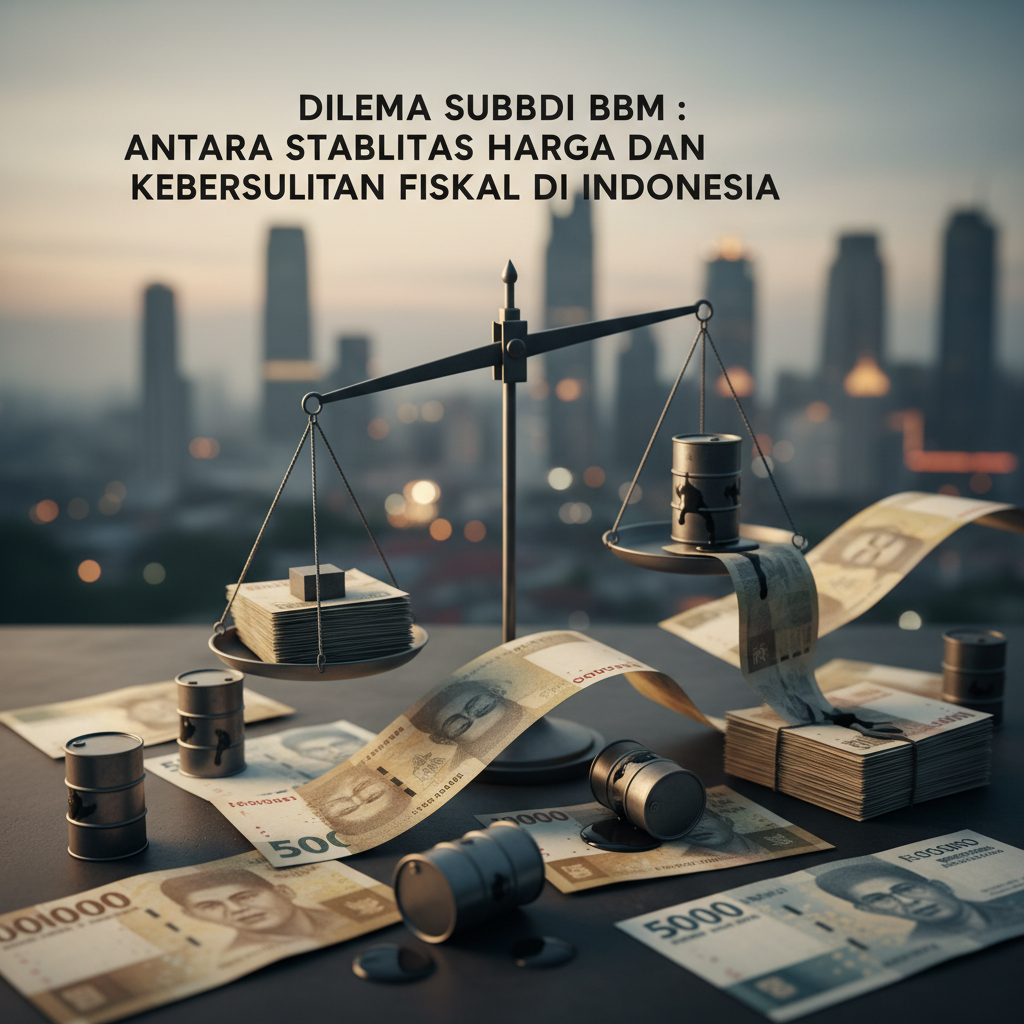
Fuel subsidies have long been a cornerstone of Indonesia's economic policy, intended to cushion global energy price shocks and protect citizens' purchasing power. However, amidst dynamic global economic shifts and pressing demands for energy transition, this policy has become a double-edged sword. The escalating fiscal burden and market distortions it creates necessitate a comprehensive re-evaluation.
The Mounting Burden of Subsidies
In recent years, fluctuations in global crude oil prices have significantly impacted the fuel subsidy budget. When oil prices surge, the government is compelled to allocate trillions of rupiah to cover the difference in retail prices. Data from the Ministry of Finance often shows that energy subsidy allocations, including fuel, exceed initial targets, siphoning off a substantial portion of the state budget that could otherwise be directed towards productive investments in education, healthcare, or infrastructure. This reliance on subsidies also creates fiscal uncertainty, complicating long-term budget planning.
Market Distortions and Inequitable Distribution
A primary criticism of fuel subsidies is their regressive nature. Evidence suggests that a significant portion of the subsidy benefits disproportionately accrues to wealthier segments of society who own more private vehicles and consume more fuel. Meanwhile, the poor and vulnerable, who are ostensibly the primary targets of social protection, often experience only indirect benefits or are even marginalized. This situation distorts the market, as fuel prices do not reflect true costs, encouraging overconsumption and impeding the development of renewable energy sources.
Driving Sustainable Energy Transition
Amidst Indonesia's commitment to carbon emission reduction targets and renewable energy development, fuel subsidies pose a serious impediment. Artificially low fuel prices reduce incentives for both individuals and industries to switch to cleaner, more efficient energy sources. Investments in electric vehicles, public transportation, or solar energy become less attractive when fossil fuels remain heavily subsidized. Therefore, fuel subsidy reform is not merely a fiscal issue but is crucial for achieving environmental sustainability goals.
Forward-Looking Policy Options
Addressing the fuel subsidy dilemma requires a cautious and phased approach. Several policy options can be considered:
- Targeted Subsidies: Shifting the subsidy scheme from commodity-based to individual or poor household-based through direct cash transfers (BLT) or specialized cards. This ensures aid reaches those who need it most and reduces leakage.
- Public Education and Communication: Launching massive public education campaigns on the impacts of fuel subsidies and the benefits of their reform, as well as the importance of energy transition.
- Public Transportation Development: Aggressive investment in efficient and affordable public transportation infrastructure to reduce public reliance on private vehicles.
- Renewable Energy Incentives: Providing fiscal and non-fiscal incentives to encourage the adoption of electric vehicles and the development of renewable energy sources.
- Gradual Price Adjustments: Implementing gradual and measured fuel price adjustments, accompanied by adequate social safety nets to mitigate impacts on vulnerable groups.
Reforming fuel subsidies is a crucial step towards Indonesia's fiscal and energy sustainability. While fraught with political and social challenges, the courage to make these decisions will determine the direction of a fairer and more sustainable economic development for future generations.