Addressing Indonesia's Water Crisis: The Urgency of Equitable Water Policies
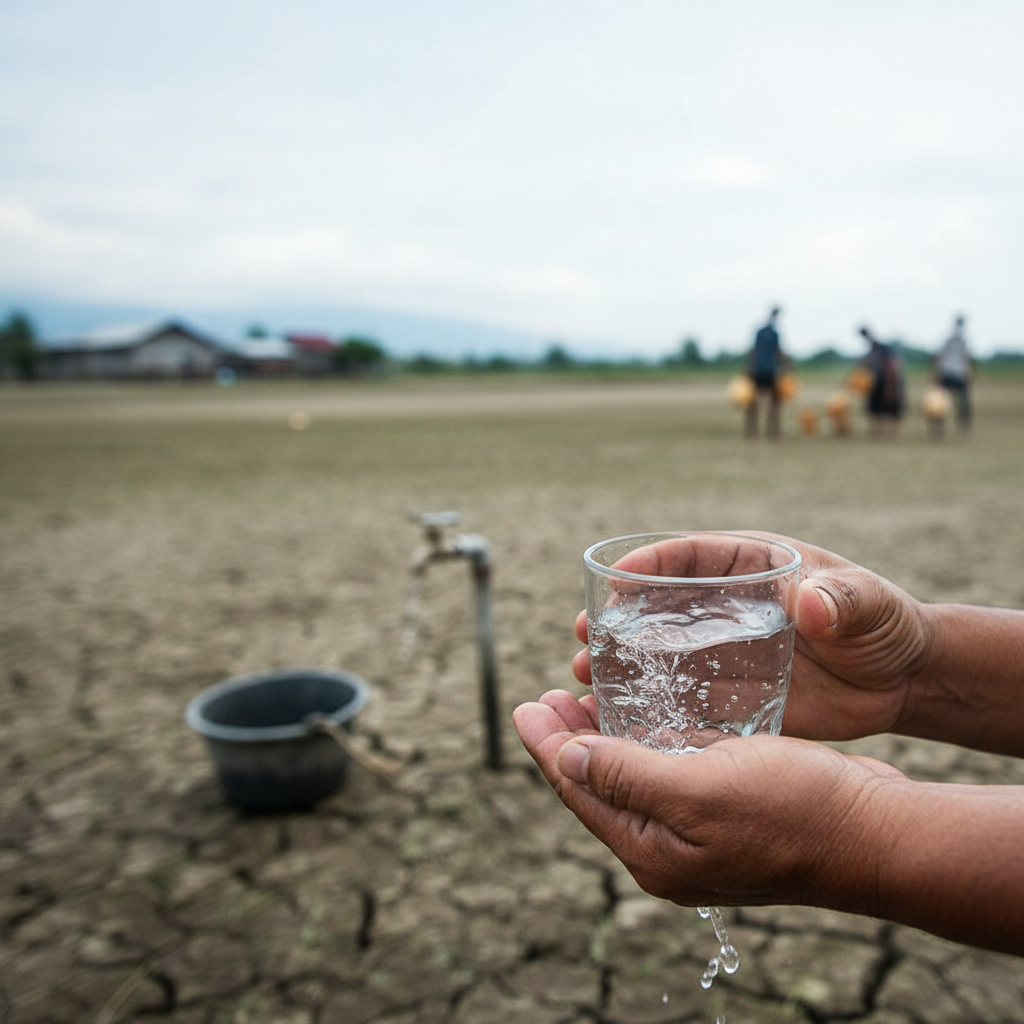
Despite its abundant water resources, Indonesia paradoxically confronts a severe clean water crisis. Recent data indicates that millions across various regions struggle to access potable water, a problem exacerbated by climate change, pollution, and suboptimal resource management. This issue extends beyond the physical availability of water; it encompasses equitable access, sustainability, and transparent governance.
Challenges in Accessing Clean Water Across Regions
While Indonesia experiences high rainfall, water distribution remains uneven. Densely populated urban areas frequently face clean water deficits due to rapid urbanization and inadequate infrastructure. Concurrently, in rural and remote regions, access to safe and affordable water sources remains a luxury. An Atom Visi Indonesia study found that approximately 20% of urban households and 35% of rural households still rely on unprotected or substandard water sources.
- Climate Change: Erratic rainfall patterns lead to droughts in some areas and floods in others, disrupting natural water cycles and raw water availability.
- Environmental Pollution: Industrial, domestic, and agricultural waste contaminates rivers and groundwater sources, reducing the supply of safe drinking water.
- Inadequate Infrastructure: Investment in drinking water supply systems (SPAM) has been uneven, leaving many areas without access to piped clean water networks.
- Water Governance: Conflicts of interest among industrial, agricultural, and household sectors often complicate efforts toward sustainable water management.
Implementing Equitable Water Policies
To tackle this crisis, a holistic approach integrating technical, social, and institutional aspects is crucial. Atom Visi Indonesia recommends several strategic steps to achieve equitable water policies:
1. Increased Investment in Water Infrastructure
The government must accelerate the development and rehabilitation of water infrastructure, including dams, irrigation networks, and SPAM, especially in the most vulnerable regions. This investment should be coupled with modern technologies for efficient water use, such as drip irrigation systems and water recycling.
2. Strengthening Environmental Regulations and Enforcement
Tighter regulations concerning water pollution and strict law enforcement are critical to protecting water resources. Broadening public education programs on the importance of maintaining water quality should also be promoted.
3. Participatory Water Governance Models
Active involvement of local communities, non-governmental organizations, and the private sector in water resource planning and management can enhance program accountability and effectiveness. Community-based water management models have proven more responsive to local needs.
4. Climate Change Adaptation
Developing specific climate change adaptation plans for the water sector, including the implementation of rainwater harvesting technologies and groundwater basin management, must be a priority. This also involves developing progressive water pricing policies and incentives for water conservation.
5. Dedicated Clean Water Fund
Establishing a national clean water fund, supported by various sources (government, private sector, and donors), can ensure sustainable financing for vital projects and water-related research.
The clean water crisis is a tangible threat demanding immediate and coordinated action. With appropriate policies, strategic investments, and active participation from all stakeholders, Indonesia can ensure that clean water becomes an accessible right for every citizen, no longer a luxury.