Indonesia's Fuel Subsidy Dilemma: Fiscal Sustainability vs. Public Purchasing Power
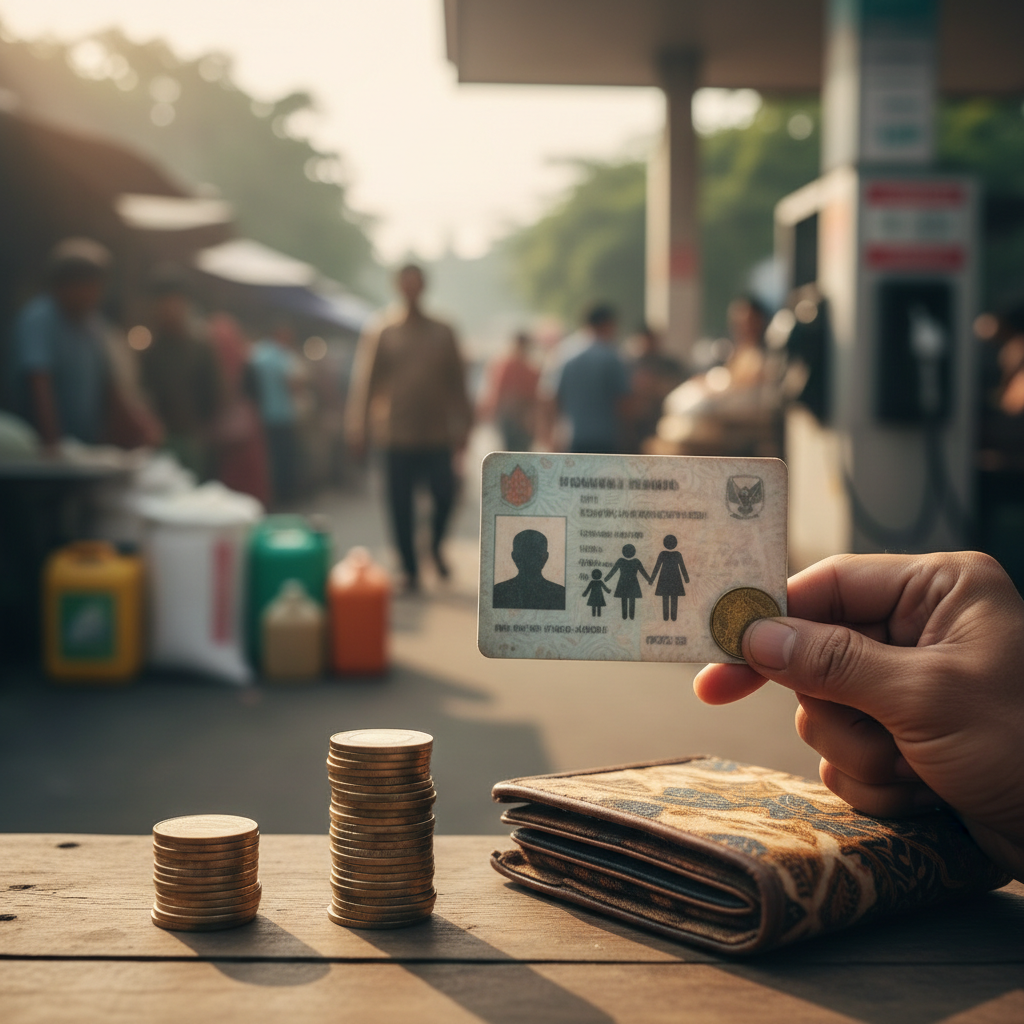
Fuel subsidies have long been a sensitive and complex issue within Indonesia's economic policy landscape. On one hand, they are considered a crucial social safety net, aiming to protect the public's purchasing power, especially for vulnerable groups, amidst global energy price fluctuations. However, the fiscal burden imposed by these subsidies continues to swell, threatening the sustainability of the state budget and impeding fund allocation to other productive sectors like education, healthcare, and infrastructure.
Fiscal Strain and Market Distortions
Data indicates that budget allocations for energy subsidies, including fuel, have been significantly increasing. In certain years, this figure has even surpassed trillions of rupiah, absorbing a substantial portion of state expenditure that could otherwise be directed towards long-term development. This burden becomes particularly acute when global crude oil prices surge, forcing the government to choose between raising retail prices or bearing a larger price difference.
Beyond the fiscal strain, fuel subsidies also create market distortions. Regulated fuel prices, kept below economic costs, encourage overconsumption, particularly of subsidized fuel types. This phenomenon not only accelerates the depletion of fossil fuel reserves but also hinders investment and the development of renewable energy. Consumers lack strong incentives to switch to cleaner energy sources or adopt energy-efficient practices due to artificially low fuel prices.
Effectiveness and Targeting of Subsidies
One of the main criticisms of fuel subsidies is their inaccuracy in targeting those who truly need them. Studies and social surveys frequently show that a significant portion of the subsidy benefits is enjoyed by middle to upper-income segments of society who own private vehicles and have higher consumption capacities. Poor and vulnerable communities, who should be the primary priority, often receive only a small fraction of these benefits. This creates inequality and reduces the efficiency of subsidy policies as an instrument for poverty alleviation.
The distribution of subsidized fuel, which is often suboptimal, is also frequently marred by embezzlement and smuggling, further increasing state losses and undermining the original goals of the policy.
Path to Sustainable Energy Policy
Given the complexities and negative impacts, reforming fuel subsidy policies is imperative. However, this reform must be conducted carefully and strategically, considering potential social and political repercussions.
- Phased Subsidy Transition: Gradually reduce subsidies and reallocate funds to direct cash assistance (BLT) or other better-targeted social protection programs. This will ensure that vulnerable communities remain protected from rising energy prices.
- Renewable Energy Investment: Redirect a portion of the saved subsidy funds to accelerate the development of and transition to renewable energy. This will not only reduce reliance on fossil fuels but also create new jobs and foster green economic growth.
- Energy Efficiency Education and Campaigns: Promote public education campaigns on the importance of energy efficiency and the benefits of switching to public transportation or electric vehicles.
- Oversight and Law Enforcement: Strengthen oversight and law enforcement to prevent embezzlement and smuggling of subsidized fuel.
Managing fuel subsidies is a policy dilemma that requires political courage and meticulous planning. With the right steps, Indonesia can move towards a more sustainable, equitable, and efficient energy system, without sacrificing the purchasing power and welfare of its people.