Food Inflation and Public Welfare: Policy Challenges Amidst Global Turmoil
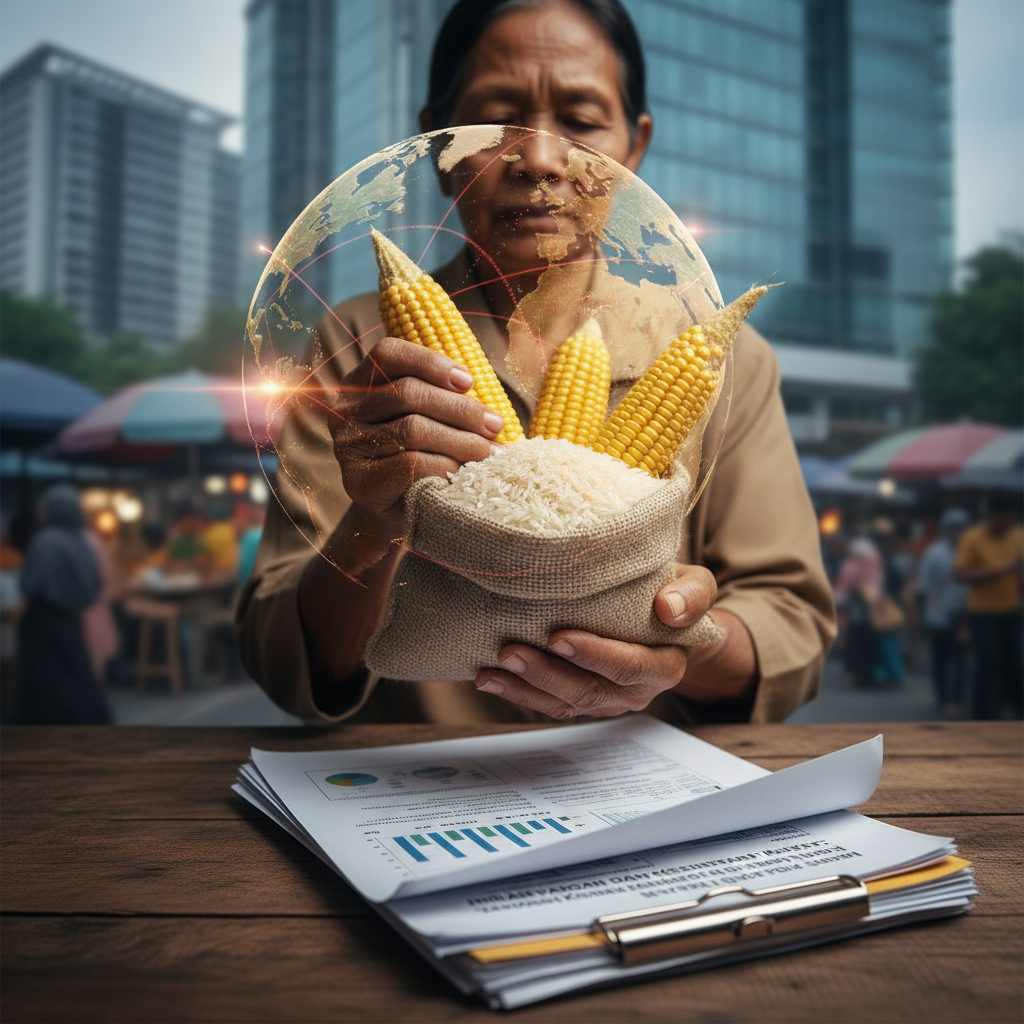
Food inflation has once again become a central concern in Indonesia, sparking worries about economic stability and public welfare. Recent data indicates significant price increases for several staple food commodities, burdening households and potentially slowing down post-pandemic economic recovery. Atom Visi Indonesia emphasizes the importance of a comprehensive approach to address this issue, given its multidimensional impact.
Key Drivers of Rising Food Prices
The phenomenon of food inflation does not occur in isolation but is influenced by a series of interconnected factors. Our analysis identifies several primary causes:
- Global Supply Chain Disruptions: Geopolitical conflicts, such as the war in Ukraine, and extreme climate change have disrupted global food production and distribution. Indonesia's reliance on imports for certain staple foods makes it vulnerable to international price fluctuations.
- Domestic and Seasonal Factors: Extreme weather events, like El Niño or La Niña, frequently lead to crop failures in major food production centers. Additionally, inefficiencies in the domestic distribution chain, from production to the end consumer, contribute to price increases. Hoarding practices by speculators further exacerbate the situation.
- Rising Production Costs: Globally increasing prices for fertilizers, seeds, and energy directly impact farmers' production costs. This burden is then passed on to consumers in the form of higher retail prices.
- Increasing Demand: As the economy recovers and public mobility increases, demand for food tends to rise. However, this is not always matched by adequate supply, creating inflationary pressure.
Social and Economic Impact
The impact of food inflation is keenly felt on household purchasing power, particularly among low-income groups. Rising prices for essential goods can erode savings, increase poverty rates, and even trigger food insecurity. For micro, small, and medium enterprises (MSMEs) in the food sector, increased raw material costs threaten their business continuity.
At the macroeconomic level, food inflation can hinder economic growth, disrupt monetary stability, and worsen the trade balance if reliance on food imports continues to increase. The government needs to take strategic steps to curb this inflation rate to prevent social unrest.
Atom Visi Indonesia's Policy Recommendations
To address the challenge of food inflation, Atom Visi Indonesia recommends several coordinated and sustainable policy measures:
- Strengthening Domestic Food Security: Encouraging local food diversification, increasing agricultural productivity through technological innovation and access to capital for farmers, and ensuring the availability of affordable fertilizers and seeds.
- Optimizing the Distribution Chain: Streamlining long and inefficient distribution channels, strengthening the role of Bulog or similar agencies in price stabilization, and leveraging digital technology for price and supply transparency.
- Stock Management and Food Reserves: Building adequate strategic food reserves at national and regional levels to anticipate supply and price volatility, especially during lean seasons or natural disasters.
- Targeted Subsidies and Social Assistance: Providing more targeted social assistance and food subsidies to vulnerable community groups to maintain their purchasing power amidst rising prices.
- Food Diplomacy and Trade: Intensifying diplomatic efforts to secure food supplies from partner countries and seeking alternative import sources to reduce reliance on one or two nations.
- Consumer Education and Literacy: Educating the public about the importance of wise food consumption, menu diversification, and reducing food waste.
Food inflation is a complex issue requiring multidimensional solutions. With appropriate policies and robust implementation, Indonesia can maintain food price stability, protect public purchasing power, and strengthen its economic resilience amidst global uncertainties.