Indonesia's Nickel Downstreaming: Economic Ambition vs. Environmental Cost
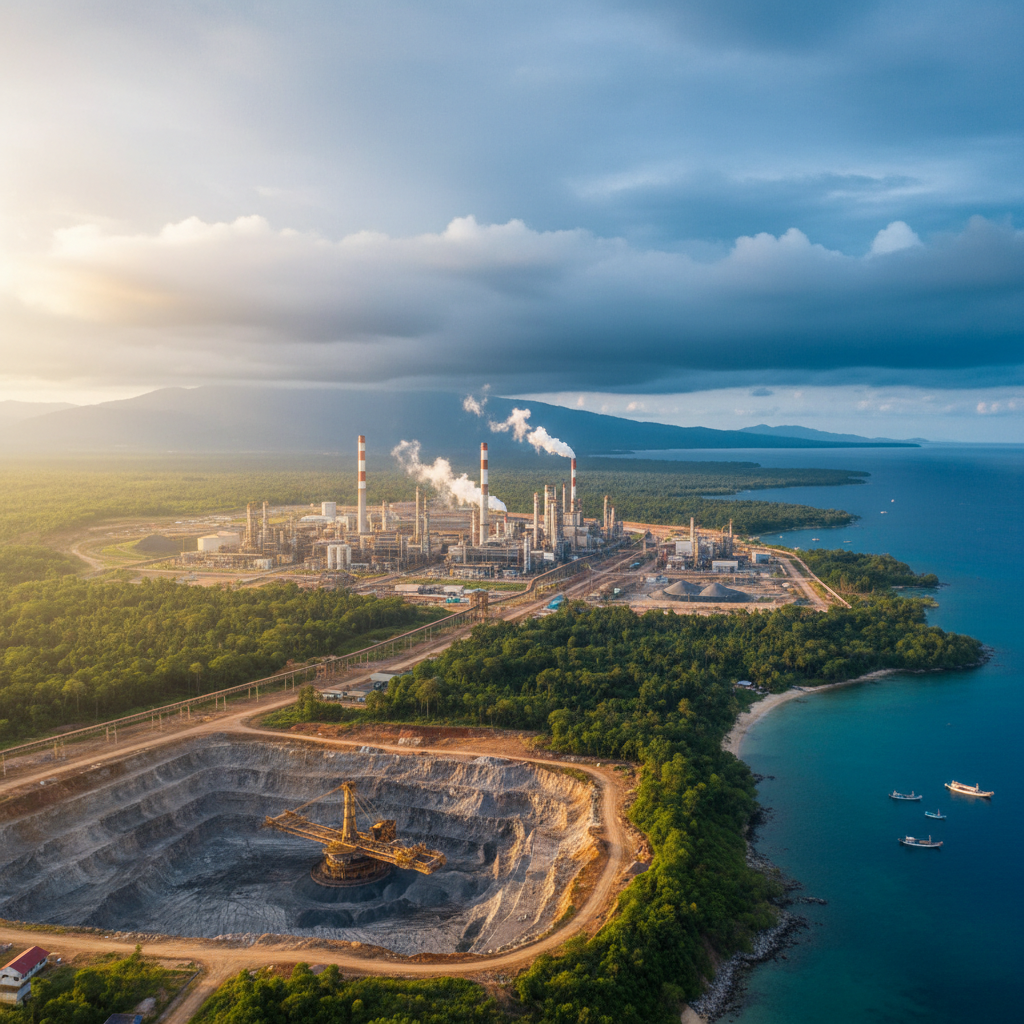
Indonesia's Growing Nickel Downstreaming Ambition
Indonesia, the world's largest nickel producer, has aggressively pursued a downstreaming policy to enhance the added value of its mineral commodities. The raw nickel ore export ban since 2020 is a cornerstone of this strategy, aiming to transform the nation from a raw material exporter into a key player in the global supply chain for electric vehicle batteries and stainless steel. This policy has attracted significant investment in smelter development and processing facilities, particularly from China, and has contributed substantially to Indonesia's non-oil and gas export growth.
Data indicates that the export value of nickel derivative products, such as ferronickel and nickel pig iron (NPI), has surged dramatically. Bank Indonesia reported that processed nickel exports reached record highs, positioning Indonesia strategically in the global market. However, behind this narrative of economic success, pressing questions arise regarding the environmental sustainability and social impacts caused by the massive expansion of the nickel industry.
Environmental and Social Dilemmas
Intensive smelter construction and nickel mining activities have raised serious environmental concerns. Deforestation, land degradation, and water pollution are critical issues in nickel-producing regions like Sulawesi and North Maluku. Nickel processing, especially the dominant pyrometallurgical technology in Indonesia, is known to be energy-intensive, producing high greenhouse gas emissions and toxic waste such as tailings that require careful management.
Local communities often bear the brunt of these environmental impacts. Land conflicts, loss of traditional livelihoods, and health risks due to pollution are some of the reported social problems. Transparency in licensing and environmental law enforcement has come under scrutiny, with many parties urging the government to strengthen regulations and oversight.
Global Pressure and Sustainability Demands
Global trends towards a green economy and responsible supply chains place Indonesia's nickel downstreaming under intense scrutiny. Consumers and electric vehicle manufacturers in Europe and the United States are increasingly demanding sustainably and ethically produced raw materials. The European Union, for example, is considering stricter regulations regarding carbon footprints and ESG (Environmental, Social, and Governance) practices in battery supply chains.
This pressure encourages Indonesia to focus not only on increasing production capacity but also on adopting cleaner technologies, such as hydrometallurgy (HPAL) which produces lower emissions and can process low-grade lateritic nickel ore. Investment in renewable energy to power smelters is also crucial to reduce the nickel industry's carbon footprint.
Seeking Balance: Policy Recommendations
To ensure the sustainability of its nickel downstreaming strategy, Indonesia needs to balance economic ambitions with environmental and social commitments. Atom Visi Indonesia recommends several strategic steps:
- Strengthening Environmental Regulations and Enforcement: Independent environmental audits and strict sanctions for violators are necessary.
- Diversifying Processing Technologies: Encouraging investment in hydrometallurgy (HPAL) and other low-emission technologies to reduce environmental impact.
- Transparency and Public Participation: Engaging local communities in decision-making processes and ensuring fair compensation mechanisms.
- Renewable Energy Investment: Promoting the development of renewable energy sources (e.g., solar, wind power) to supply the nickel industry's energy needs, reducing reliance on coal.
- Developing Sustainable Supply Chains: Collaborating with international partners to develop globally recognized sustainability standards for Indonesian nickel.
Through these measures, Indonesia can realize the economic potential of nickel downstreaming while preserving the environment and community well-being, ensuring that the current nickel boom does not come at too high a cost for future generations.