Addressing Indonesia's Clean Water Crisis: Innovative Policies and Public Participation are Key
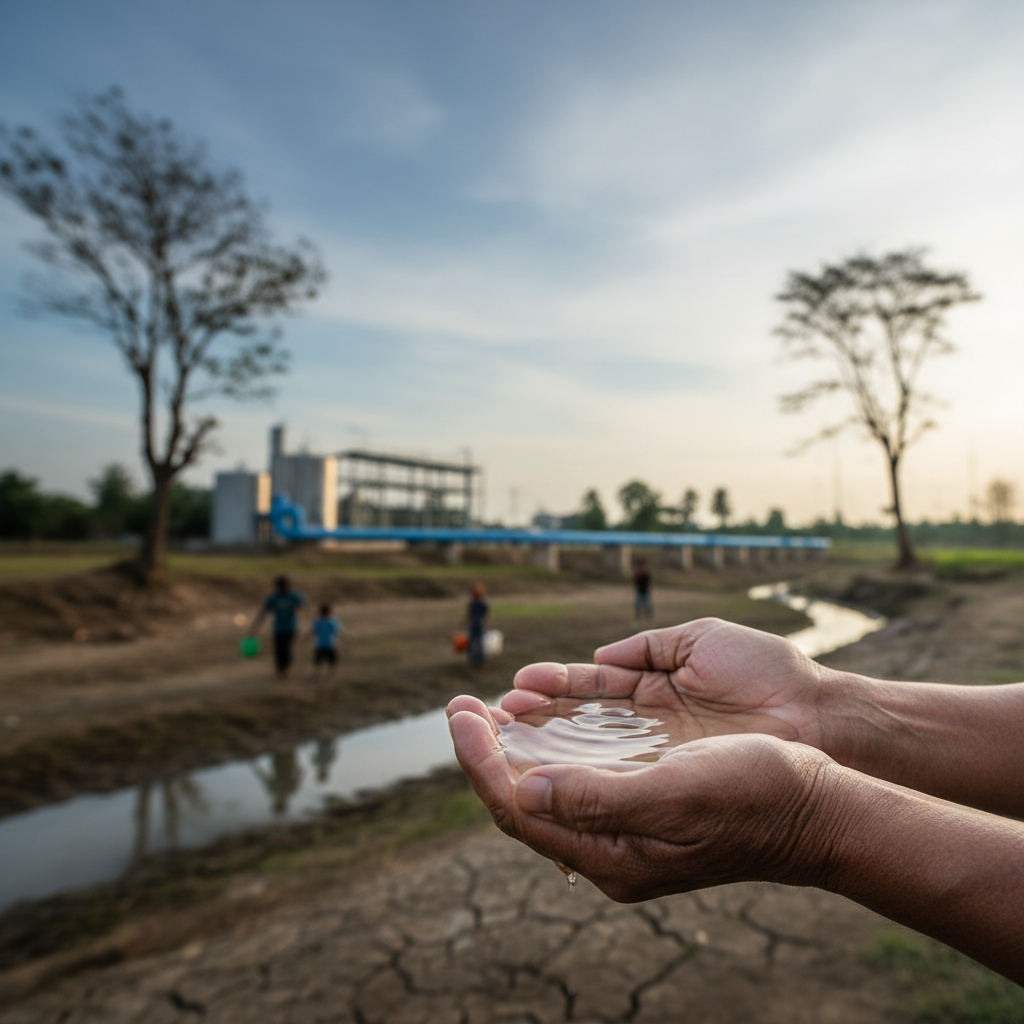
Access to safe and adequate clean water is a fundamental human right and a cornerstone of sustainable development. Yet, in Indonesia, a growing clean water crisis looms large, exacerbated by climate change, environmental pollution, and rapid urbanization. Data indicates that millions of people still struggle to access clean water, particularly in rural areas and densely populated urban centers. Atom Visi Indonesia underscores the urgency of addressing this issue through innovative policy approaches and active participation from all segments of society.
The Challenges of Clean Water Access in Indonesia
Despite its abundant water resources, Indonesia paradoxically confronts significant challenges in clean water distribution and quality. Key contributing factors include:
- Environmental Pollution: Industrialization and domestic waste contaminate rivers and groundwater sources, rendering them unfit for consumption.
- Climate Change: Unpredictable rainfall patterns lead to both droughts in some regions and floods in others, disrupting water availability.
- Uneven Infrastructure Development: The construction and maintenance of clean water supply systems (SPAM) have yet to reach all corners of the archipelago, especially remote areas.
- Urbanization and Population Growth: Increasing urban populations place immense pressure on limited water resources.
- Suboptimal Water Governance: Coordination among institutions and the enforcement of regulations related to water resource management still require significant improvement.
Impact of the Clean Water Crisis on Communities
The clean water crisis has multidimensional impacts. From a health perspective, a lack of access to clean water directly correlates with an increase in waterborne diseases such as diarrhea and cholera. Economically, the time and cost spent acquiring clean water can heavily burden low-income households. Furthermore, water scarcity also triggers social conflicts and hinders community productivity, particularly in the agricultural sector.
Innovative Policies and Multi-Stakeholder Collaboration as Solutions
To overcome this crisis, a comprehensive and innovative set of policies is required. Atom Visi Indonesia recommends several strategic steps:
- Investment in Sustainable Infrastructure: Developing robust and climate-adaptive water supply systems, including desalination technology for coastal areas and rainwater harvesting systems.
- Integrated Water Resource Management: Implementing a watershed-based approach that involves all stakeholders in water planning and management.
- Strict Regulations and Law Enforcement: Strengthening regulations related to water pollution and ensuring effective law enforcement against violators.
- Leveraging Digital Technology: Implementing real-time monitoring systems for water quality and quantity, alongside public information platforms for water data transparency.
- Education and Awareness Campaigns: Enhancing public understanding of the importance of water conservation and hygienic practices.
The Crucial Role of Public Participation
Public participation is key to the success of any water policy. Communities must be involved at every stage, from planning and implementation to oversight. Empowering local communities to manage their own water sources, supported by government and the private sector, can create more relevant and sustainable solutions. Public-private partnership (PPP) models should also be encouraged to accelerate investment and innovation in clean water provision.
The Future of Clean Water in Indonesia
Ensuring equitable and sustainable clean water access for all Indonesians is a challenging but not impossible task. With strong political commitment, bold and innovative policies, and active collaboration from government, the private sector, academia, and civil society, the clean water crisis can be overcome. Atom Visi Indonesia believes that investment in the water sector is an investment in the nation's future, safeguarding health, economy, and social stability. The urgency of addressing this clean water issue is non-negotiable; it is time for collective and strategic action.